The Ripple Effect of Heinz Wattie's Plant Closure on Canterbury's Agriculture
Updated: Apr 20
Heinz Wattie's recently announced a proposal to close three of its manufacturing facilities, including its plant in Christchurch. This decision is expected to impact approximately 350 jobs. While the immediate public focus is understandably on the factory workers and the direct growers, there is a massive ripple effect headed straight for the wider rural support network.
The Impact on Local Farming
Canterbury is one of New Zealand's largest growing regions for processing vegetables, particularly peas, sweetcorn, and carrots. When a major processing plant closes, the agricultural landscape changes practically overnight. Between 40 and 120 farms can lose their contracts immediately. This means that 70% to 90% of the local crop area dedicated to processing vegetables could disappear within just one to two seasons. Without a guaranteed buyer, local farmers will be forced to pivot away from crops like peas and beans. They may shift their land into cereals, pasture, or seed crops instead.
The Hidden Impact on Indirect Rural Services
This sudden shift in crop types doesn't just affect the farmers; it heavily impacts the vital indirect services that keep the agricultural sector moving. A single processing plant supports a vast network of harvesting contractors, trucking companies, irrigation services, and agronomy services. In total, the regional economic activity affected by a closure can reach into the tens of millions of dollars.
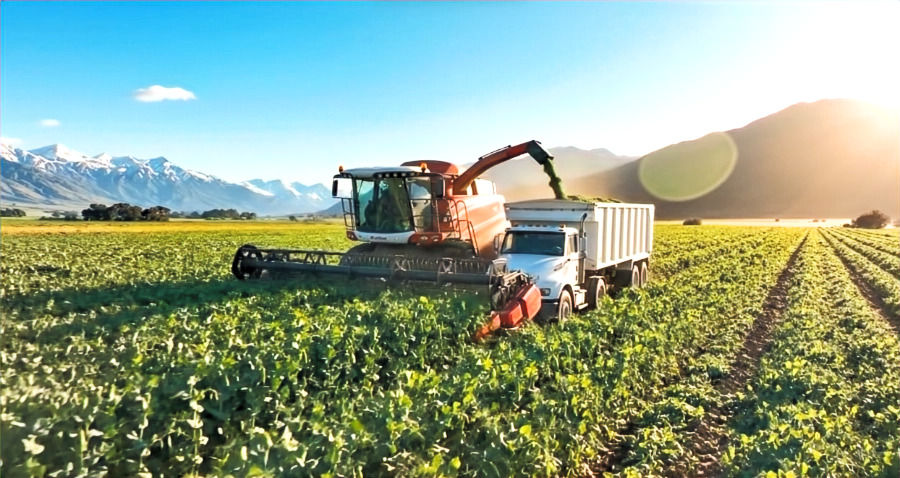
Processing crops are incredibly time-sensitive. Peas and sweetcorn, for example, must often reach the factory within just 2 to 8 hours of being harvested. Transport and harvesting firms have built their fleets and specialized equipment around these tight, high-intensity harvest windows.
Cashflow Challenges: Refitting and Reinvesting
If you run an agricultural contracting or trucking firm in Canterbury, a sudden regional shift from processing vegetables to alternative crops like wheat or barley can severely disrupt your business model. You may find that specialised harvesting gear or transport setups designed for peas and sweetcorn are no longer in high demand.
To adapt to the new local crop profiles, you may need to refit your current equipment or invest heavily in new gear suited for broadacre cereals or seed crops. Navigating this transition requires capital, and a sudden drop in contracted work can put a severe squeeze on your cashflow.
Free Assessment: Restructure Your Finance to Stay Ahead
You don't have to navigate this sudden industry shift alone. If your cashflow is being affected by the changing crop types in our region, it is crucial to look at your financial setup now rather than later.
We are offering a Free Financial Assessment targeted specifically at Ag Contractors, Trucking Firms, and Harvesting Contractors in the Canterbury district.
Contact us today to claim your free assessment. We will help you discuss your options if you need to restructure your existing finance, free up vital cashflow, and secure the funding you need to refit your equipment or invest in the new gear required to service alternative crops.
Preparing for the Future
Let's ensure your business is equipped and financially prepared for the seasons ahead. The agricultural landscape is changing, and staying ahead of these shifts is essential for your success.
By understanding the broader implications of changes in the industry, you can make informed decisions that will help your business thrive. Whether it's adapting your operations or seeking new funding solutions, we are here to support you every step of the way.
Conclusion
In conclusion, the closure of Heinz Wattie's plant in Christchurch is not just a local issue; it has far-reaching effects on the entire agricultural ecosystem in Canterbury. From farmers to service providers, everyone feels the impact.
By taking proactive steps now, you can position your business to weather these changes and emerge stronger. Reach out to us for your free financial assessment and let's work together to secure a prosperous future for your business.


Comments